

Once the summer heat hits, a dependable air conditioner becomes more than just a luxury; it has become an absolute necessity. Still, the path to achieving a cool and comfortable home begins well before those temperatures rise. Installing an AC system correctly is important for ensuring that system operates efficiently and effectively. From understanding which type of air conditioner suits your space to knowing the costs involved and the benefits of professional installation, there are numerous elements to take into account.
This complete guide, we will explore everything you need to know about air conditioning installation. Whether you aim to put a new unit in your house, upgrade an old system, or deal with the intricacies of air conditioning setup for a business, we are prepared to assist. Find out how to pick the ideal air conditioning system, get ready for the installation process, and avoid common mistakes. By the end of this guide, you will have the insights needed to make your air conditioning work for you.
Essential Factors for Air Conditioning Installation
When considering for AC installation, a key aspects is the capacity of the system. Choosing the correct AC size is important for optimal cooling and energy use. An inadequate system will fail to cool your space, leading to elevated energy bills and strain on the unit. On the other hand, an large system can lead to frequent cycling, resulting in poor humidity control and increased operational costs. Working with a professional to determine the proper size based on your home’s size and insulating qualities is vital to achieve optimal performance.
Another key factor is the style of AC that best suits your requirements. Homeowners often find themselves deciding between central air and ductless mini-split. Central air systems are connected to existing ductwork, providing even temperature distribution throughout the home. On the contrary, ductless mini-splits offer versatile installation options and the capability to manage temperatures in separate spaces. Assessing the layout of your home, your budget, and your cooling preferences will help in making the right choice.
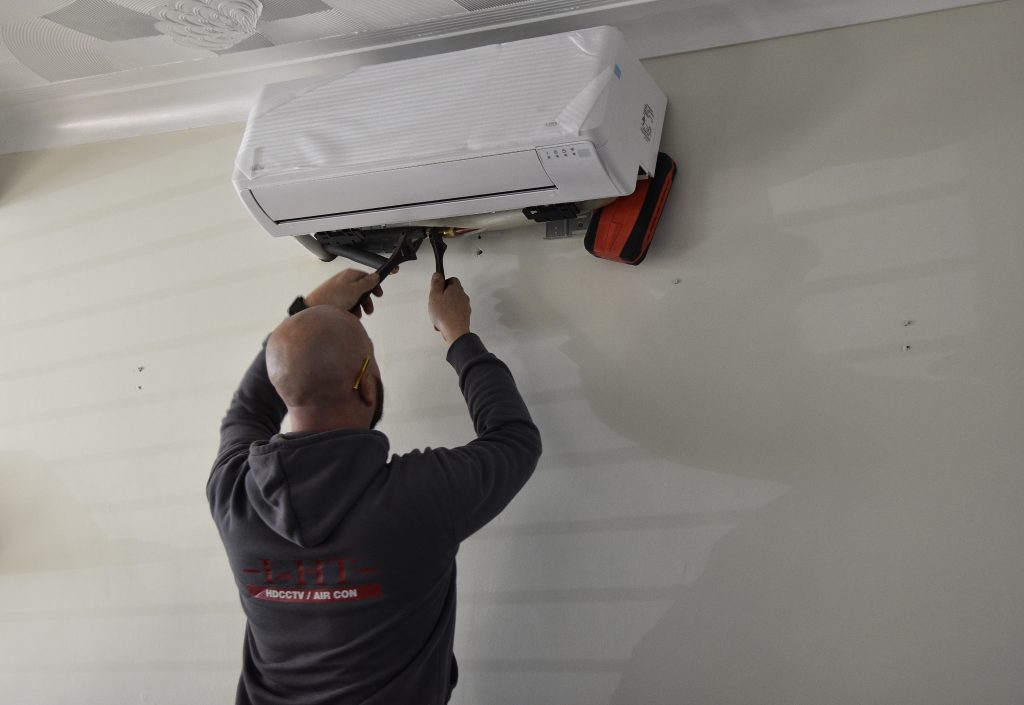
In conclusion, don’t neglect the significance of hiring a certified installation provider. The installation process significantly impacts the lasting effectiveness of your air conditioning unit. A professional installer will ensure that your equipment is set up correctly, which includes proper placement, positioning, and compliance to regulations. Investigating and choosing Additional info trusted company with good ratings can prevent you effort, money, and issues in the long run.
Costs and Financing for Your AC Project
When evaluating air conditioning installation, comprehending the costs involved is crucial for effective budgeting. The overall cost can differ significantly depending on various factors including the type of system, the dimension of your home, and installation complexity. Typically, central air systems may range from $3,000 to 7,000 dollars, while ductless mini-split systems can run between 2,000 and 5,000 dollars or higher depending on the count of zones being served. It is prudent to get multiple quotes from contractors to ensure you are receiving a competitive price.
Financial options can also play an essential role in handling the expense of an air conditioning installation. Many HVAC companies offer financing plans that enable you to pay for the installation over time, reducing the immediate financial burden. Additionally, there are often energy efficiency rebates and incentives available through energy companies and government initiatives that can help reduce the initial cost. When exploring financing, it's vital to take into account the financing rates and terms to find a plan that fits your budget without sacrificing quality.
Lastly, it's important to consider long-term financial implications associated with energy use. Investing energy-efficient air conditioning systems can decrease your utility bills dramatically over time. Systems with high SEER ratings are often costlier at the outset but can lead to considerable savings through reduced electricity costs. Evaluating these long-term savings along with installation will provide a clearer picture of your potential return on investment, making the choices process easier.
Maximizing Performance & Durability of The System
In order to confirm the air conditioning system operates efficiently and lasts as long as possible, regular maintenance is necessary. This involves changing or washing the filters minimum on a monthly basis, which prevents dust and debris from blocking airflow. A clean filter enables your unit to work more effectively, boosting indoor air quality and lowering energy consumption. Additionally, setting up annual expert check-ups can help identify and resolve potential issues before they become serious.
An additional important aspect of maximizing the system's performance is maintaining proper insulation and sealing in your home. Gaps and leaks in windows, doors, and ducts can result in significant energy loss, making your air conditioner work harder to achieve the desired temperature. Fixing these areas will improve overall energy efficiency, lower utility bills, and maintain consistent comfort across your home.
Finally, think about investing in smart technology, such as programmable or smart thermostats. These devices provide more precise temperature control and can learn your living patterns to enhance both comfort and energy savings. By being proactive with maintenance, sealing the home, and using smart technology, you may extend the lifespan of your air conditioning system and experience a more efficient cooling experience.