Navigating the challenges of property ownership comes with its own set of obstacles, and one crucial aspect that often calls for careful consideration is the right to light. This juridical principle ensures that homeowners and tenants can enjoy ample natural light in their properties, serving a significant role in the appreciation and value of real estate. Grasping your rights and responsibilities concerning natural light is crucial, especially in densely populated areas where buildings are continuously evolving and expanding.
In this detailed guide, we will examine the value of the right to light for property owners, the regulations surrounding it in the UK, and how it can impact your building projects. Whether you are a homeowner planning an extension, a property developer, or simply a buyer considering a new home, knowing how right to light works can make all the impact in ensuring a congenial and legally sound property environment. From assessments and calculations to disputes and compensation, we will illuminate all dimensions of this important topic to equip you with the knowledge you need.
Comprehending Right to Light
Right to Light denotes a legal entitlement that ensures a property owner has the ability to receive natural light via their windows. In the UK, this right can arise from long-standing use, typically where a window has gained unobstructed light for a period of at least 20 years. The right is not without limits and can be influenced by changes to surrounding buildings, making it important for property owners to comprehend the implications of any new development nearby.
The importance of Right to Light for property owners cannot be overemphasized. Access to natural light is not only a matter of convenience but also affects the worth of the property. Properties that benefit from abundant natural light are usually more appealing, leading to increased market values. Therefore, knowledge of this right is crucial for homeowners and property developers alike, as it can influence design decisions and the practicality of future projects.
In addition to property owners, architects and developers must factor in the Right to Light during the planning stages of new constructions or renovations. Comprehending how this right works can help minimize the risk of disputes with neighbors and potential legal challenges. Early consultation with a Right to Light surveyor is often wise, as they can provide information into the applicable regulations and how to determine light access for existing properties efficiently.
Right to Light Surveys and Assessments
Right to light surveys are a critical step for real estate developers and property owners who want to make certain that their construction ventures meet legal standards regarding natural light access. These surveys assess the amount of light that current buildings receive and how new projects could impact this. By hiring a specialist surveyor who is knowledgeable about right to light laws, property owners can evaluate potential issues before building begins, minimizing the risk of disputes and costly legal battles.
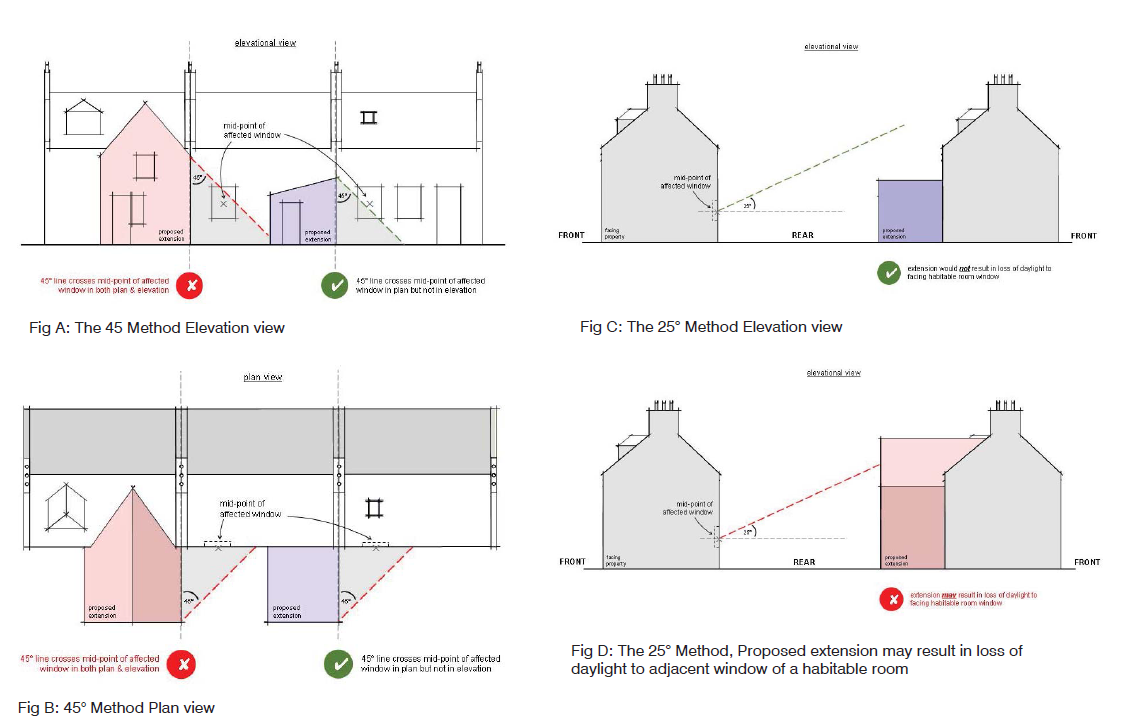
During a light access evaluation, the surveyor measures light intensities using particular methods and tools, such as the 45-degree angle rule, which helps determine whether a new development violates the light access rights of neighboring buildings. This procedure not only highlights any potential infringements but also delivers a detailed report that can be used in discussions with adjacent property owners or local planning authorities. The results from these assessments are vital for making strategic choices about design changes or relocating a development.
Early engagement in right to light surveys can conserve time and money for developers and property owners alike. By addressing any light-related issues upfront, stakeholders can make necessary modifications to their plans to avoid conflicts with neighbors. This preemptive strategy can result in easier project execution and a quicker path to gaining planning approval, as well as ensuring harmonious relationships within the neighborhood.
Managing Light Rights Conflicts
Light rights conflicts often arise as a new construction significantly reduces the existing light that a neighboring property receives. To navigate these disputes efficiently, property owners should first attempt to comprehend their legal rights and the exact circumstances surrounding their claims. Honest communication with neighbors can sometimes resolve issues without conflict, preventing lengthy legal battles. Engaging in Right to Light Surveys London can provide clarity on the intentions of the construction and what impact it may have.
If early discussions do not resolve the situation, property proprietors might have to get legal advice. Hiring a qualified surveyor might support assess the extent of the light loss and provide a thorough report that can serve as documentation in any conflict. Knowing whether a right to light survey is necessary can also simplify the process, offering a clear view of the possible implications of a building project on neighboring properties.
Ultimately, mediation is often a valuable tool in addressing right to light disputes. This strategy enables both parties to talk about the issues with the support of a third-party mediator, seeking a satisfactory outcome. If mediation does not yield results, moving to court might be required, but this should be considered a last resort because of the costs and time entailed. Ultimately, proactive management of right to light concerns can stop disputes from escalating and safeguard the interests of all parties involved.