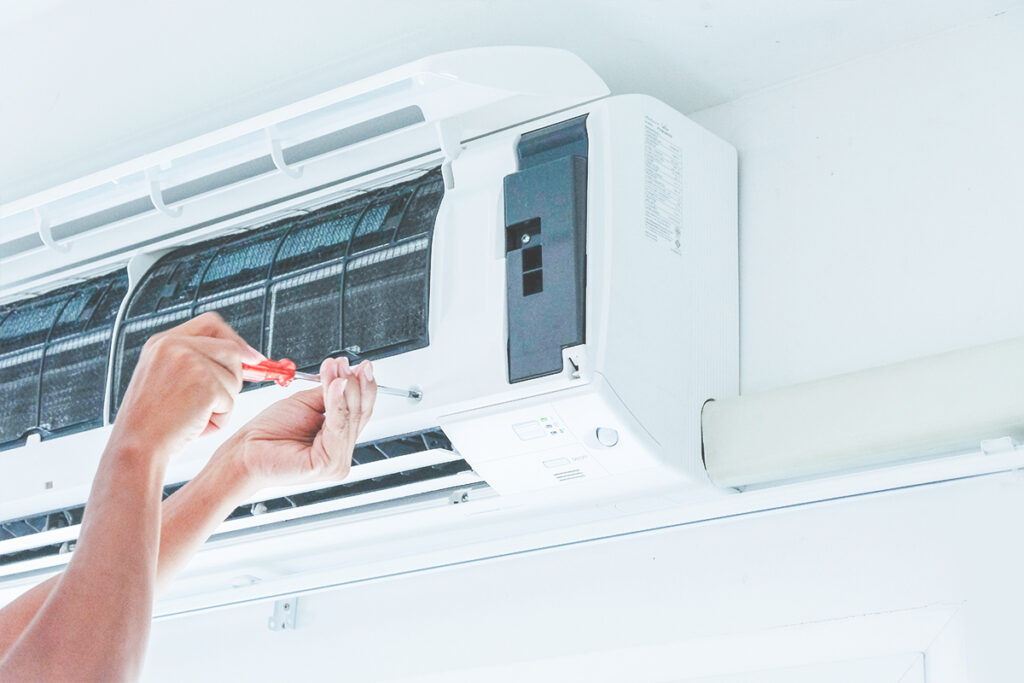
Deciding to install air conditioning in your home is a major step toward enhancing comfort, particularly during the intense heat of summer. With a variety of options available today, navigating the air conditioning installation process can feel overwhelming. Nonetheless, by grasping the essentials, you can make well-informed decisions that not only boost your living environment but also increase the value of your home.
In this thorough guide to air conditioning installation, we will cover everything you need to know—from recognizing the signs that it’s time for a fresh system to choosing the right type of air conditioner for your specific needs. We'll examine the benefits of qualified installation, common pitfalls to avoid, and how to best prepare your home for this enhancement. Whether you are considering ducted systems, ductless mini-splits, or newer, energy-efficient systems, we are here to help you change your space into a refreshing haven.
Signs It is Time for a New AC
Realizing when it’s time for a new air conditioner can save you from facing excessive heat and high energy bills. A key sign would be if your current system has been over 10 years old. Air conditioners typically have a lifespan of 10 to 15 years, and as they get older, they become less efficient, resulting in increased cooling costs and more frequent repairs. If your unit has been nearing the end of its lifespan and you find yourself calling for repairs often, it’s a strong indication that a new unit may be needed.
Additionally obvious sign that your air conditioning system needs to be replaced is if it is no longer cooling your home effectively. If you notice inconsistent temperatures across different areas or hot spots that your AC struggles to cool down, this could signify a significant drop in performance. Additionally, you might find that the unit operates continuously but fails to achieving the desired temperature, which can lead to higher utility bills and increased wear on the system.
Finally, unusual noises or unpleasant odors coming from your air conditioning unit are red flags. If you hear loud banging, hissing, or grinding sounds, these could signify serious mechanical issues that are likely too costly to repair. Unpleasant smells, such as a burning or moldy odor, may indicate mold growth or other significant problems within the system. If you experience these issues, it is time to consider investing in a replacement air conditioner to ensure comfort and safety in your home.
Choosing the Best AC Unit
When selecting an air conditioning system for your house, it's crucial to assess your particular needs and preferences. Start by thinking about the size of your space and the climate in your region. A larger home in a warmer environment may call for a robust central air unit, while smaller areas or milder environments might benefit from ductless mini-split units. Assessing Air Conditioning Installation Barry and potential energy consumption will direct you towards a appropriate choice.
Energy efficiency is yet another key factor when selecting an AC system. Look for units with superior Seasonal Energy Efficiency Ratio (SEER) ratings, as these will offer better cooling efficiency while using fewer electricity. Purchasing energy-efficient models can significantly lower your utility bills over time, making it a smart long-term choice. Additionally, consider features like smart thermostats that enhance your system’s efficiency and convenience.
Lastly, don't overlook the significance of setup and upkeep. Trained installation ensures that your new AC unit operates efficiently and securely. It’s also prudent to consult with HVAC experts who can suggest the best units that fit your home's layout and insulation. Routine maintenance after setup will extend your unit's durability and ensure it operates at optimal efficiency. Taking these measures will help you reach an informed decision that suits your way of living and financial plan.
Preparing for Set-Up
Prior to the setup team arrives, it’s essential to prepare your home to guarantee a hassle-free experience. Start by clearing the space around the setup location, if it's a central AC or a ductless mini-split. Clear away any furniture, plants, or barriers that could impede access. This not just helps the installers but also safeguards your possessions from potential harm during the installation.
Afterward, think about the specifics of your home and your household’s needs. In case you have any animals, make arrangements to keep them in a secure, calm area away from the setup site. Additionally, it’s important to inform the installation crew of any existing problems with your existing system, such as noisy operation or inconsistent cooling, so they can tackle them effectively while installing the new system.
Finally, check that you have all required permits if required by your local regulations. Familiarize yourself with any rules set by your homeowner's association if applicable. Being thoroughly ready can reduce wait times and make the entire setup procedure more effective, laying the groundwork for you to reap the benefits of the advantages of your new air conditioning system.